Who is the Superhero?
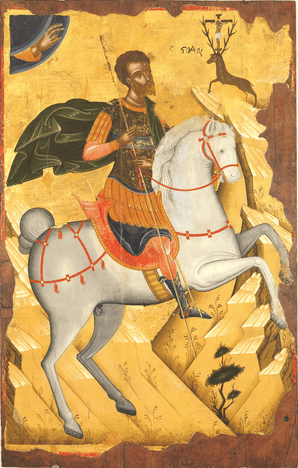
In this season of Lent, many men in Mount Calvary are turning away from the world and remembering (‘memento’ in Latin) some of the practices that our Church fathers have been utilizing for millennia. Whether that be adding weekly reading of a new book, or daily fasting practices and time in prayer. One thing we added in our home Lent devotions is learning about heroes of our faith, or sometimes we call them Saints. The children have enjoyed faithful and heroic stories of St Polycarp of Smyrna, St Eustathius of Rome and others. As Christians, we can look to their lives as examples of virtuousness and nobility, especially in how they met their end. It is good to have heroes in the faith, heroes in life, and recognize what is heroic when we see it in others. This isn’t something that only Christians do, and the billions of dollars that pour into superhero themed movies and memorabilia is proof enough. But who really is the superhero?
With a question like that, most have visions of the Marvel Universe, DC Comics, modern-day memes, or the newspaper comic section as some of us still remember. These are modern day versions of Hercules, Achilles, or Atalanta that were in the minds of the first century Greco-Roman world that St Luke was confronted with in sharing the good news of the True Superhero. The world’s superheroes then and now are revered with stories and accounts that are used to impress virtuous, noble, and righteous characteristics in society. Many today think of Iron Man flying into the space portal with a bomb to end the battle and sacrifice himself for the world and his friends, the Greco Romans looked to mythical stories of false Gods and the writings of Plato to show examples of altruism and nobility.
The Greco Roman world was the early central audience that would be receiving the Gospel narrative of Luke, and its accompaniment in Acts. It was also the dominant and most influential culture in the world at that time. This is also a people that Jesus Christ has lived and died for, and that would bring many Saints to their glorious end in martyrdom for their Lord. St Luke is used for the sharing of the good news of Jesus from Nazareth as the Savior of the Universe, the Christ of God. This proclamation of the exclusivity of Christ, comes to save and set free by denying the lengthy pantheons of false deity worship and false heroes, that plagued the Greco-Roman culture. This is why early Christians were frequently referred to as atheists in their denial of all the false gods. The first century Christians were also labeled as cannibals as a way to demonize them to society for the reason that they gathered at a table to share a meal of the Body and Blood of this Man Jesus Christ.
This is the lay of the land for St Luke, and in the midst of it, the Word of God comes to invite them and us, to an orderly and narrative account of the God-Man, around the table fellowship He extends to this fallen world that He came to save. In the first chapter we come to the table of incense where Zechariah is serving who is visited by an Angel and receives the Words of truth of the coming of the Lord. We go on to see six times that Jesus enjoys table fellowship in the Gospel of Luke as He gathers around the table to break bread with His apostles and disciples, and even with the tax collectors and sinners. He comes to teach about who He is and what He must do to accomplish the will of the Father. He comes to seek and to save the lost.
We see in St Luke’s account of the willingness of Jesus to submit to the Divine will of the Father. From each of the laws kept by Joseph and Mary according to their first-born son, including the first shedding of His blood on the 8th day. In the baptism of our Lord, we receive the Words of the Father at the anointing of the Holy Spirit to fulfill all righteousness. This is not the only baptism that Jesus knows that He will undergo according to His Father’s will, as He shares openly about the suffering that must come before glory. Jesus knows what He must endure in this great contest against Satan for the eternal souls of mankind.
Jesus takes Peter, James, and John with Him up on the mountain to pray and to grant them a glimpse of His glory in the Transfiguration. He stands with two men, Moses and Elijah, who represent the Law and Prophets that have always pointed to the very Christ in their presence. The Father’s voice even speaks again to confirm the identity of Jesus as the Son, the Chosen One, and to direct that we are to listen to Him. St Luke takes us from this climactic event in Jesus’ Galilean ministry, to Him willingly setting His face towards Jerusalem, and the trial, crucifixion, and suffering that He must endure for the sins of the world and to grant redemption in His name alone.
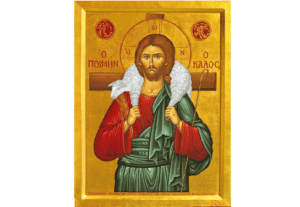
The superhero story never ends in defeat though. We get the glorious account of two more men, but this time they are at the empty tomb, the tomb that Joseph from Arimathea let Jesus borrow for a few days. St Luke also shares the account of a seven-mile journey on the road to Emmaus, that included the greatest of all Bible studies, before Jesus reveals His presence in the breaking of the bread at another table gathering. Instead of just dying as an innocent and righteous man who met his end with courage like Socrates did, who stayed dead. We learn of the One Superhero who swallowed up death and rose again on the 8th day and offers this new life for all who repent of their sins and trust in Him. In many ways our modern culture and that of the Greco-Roman world in the first century are very similar in looking to lessor and mythical idols. Jesus Christ may not always be the superhero you are looking for, but He is the Savior you need. Let us all deny the false God’s and false ways of this world that entice us and look unto the Lord alone for life this Lenten season.
~ Vicar Michael Usner (From the Beacon Newsletter April 2026)